The Myth of the Unchanged Tradition
The unchanged tradition is a tempting claim. Learn how to trace what persists, what shifts and how to discuss continuity without erasing change.
The most common mistake in arguments about tradition is treating a familiar form as proof that every detail has stayed the same. That claim can turn ordinary adaptations into accusations of betrayal, or make a recent choice sound ancient. The unchanged tradition is rarely the useful question; the better one is what people have continued to recognise and why.
A custom can keep its name, occasion or central gesture while its materials, participants and meaning shift. To separate continuity from perfect preservation, look at what people do, what they say the act is for and how they pass it on. Those strands may move together, but they need not.
Tradition and continuity
A tradition is not a sealed object handed intact from one generation to the next. It is a practice people repeat, teach or invoke as shared inheritance. Repetition gives it a recognisable shape; choices made along the way give it a history.
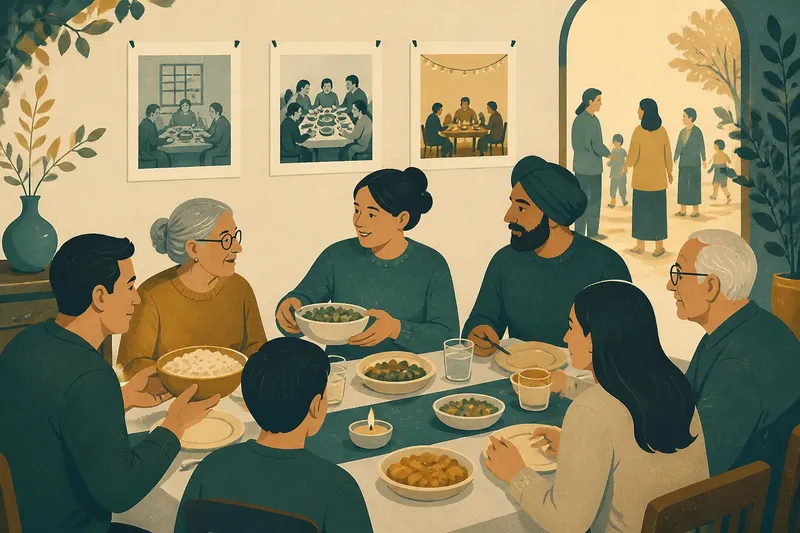
Continuity is therefore not the same as sameness. A winter gathering might retain a shared meal and a familiar sequence of welcomes even as its venue changes, new relatives join and old foods are replaced by dishes suited to different diets. Participants may still recognise the occasion, though they would not describe every part of it as unchanged.
Perfect preservation makes a stronger claim: that a practice has passed through time without meaningful alteration. That can be difficult to establish, especially when accounts are incomplete or people disagree about what counts as meaningful. A claim of continuity can be careful and honest without claiming that nothing changed.
When details become tests
One common difficulty is a dispute over whether a new detail means the custom has been lost. People may fix on a particular garment, phrase, food or sequence and treat it as the single proof of authenticity. Usually, that narrow focus grows from uncertainty about which features matter most.
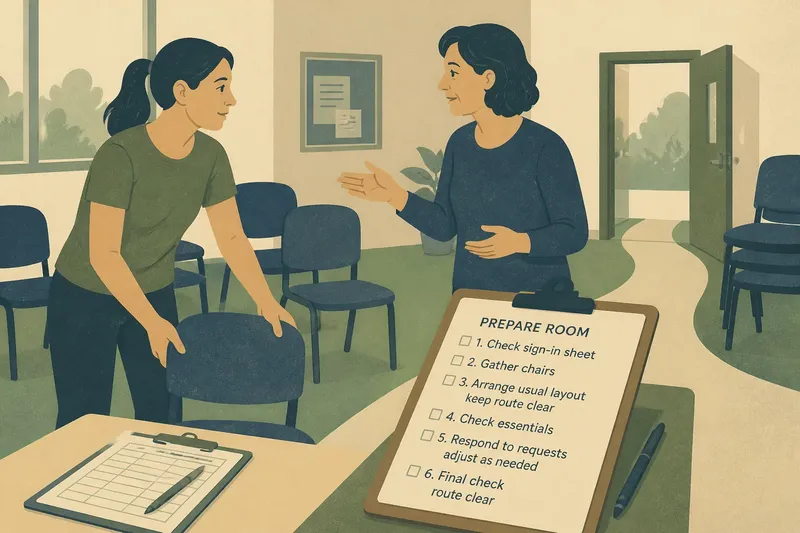
Try separating the practice into parts. Ask which parts mark the occasion, which express its purpose, and which are practical choices that have varied. A candle may carry a specific symbolic role; the holder may simply be what a household has available. The distinction should come from the people involved and the history they can describe, not from an outsider’s guess.
Say a neighbourhood group has long opened its annual gathering with a communal song, but now uses a different arrangement because the original is difficult for some singers. The action is to ask participants what the opening song does for them and what they want to retain. The expected observable result is a more precise account: perhaps the shared singing matters, while the arrangement is understood as adaptable. That account does not settle every disagreement, but it avoids confusing one version with the whole tradition.
When records are thin
Another problem arises when a custom is described as unchanged despite gaps in memory or documentation. The cause is often a familiar story that has been repeated so often it comes to feel like a complete record. Repetition may show that the story matters now; by itself, it cannot establish every detail of earlier practice.
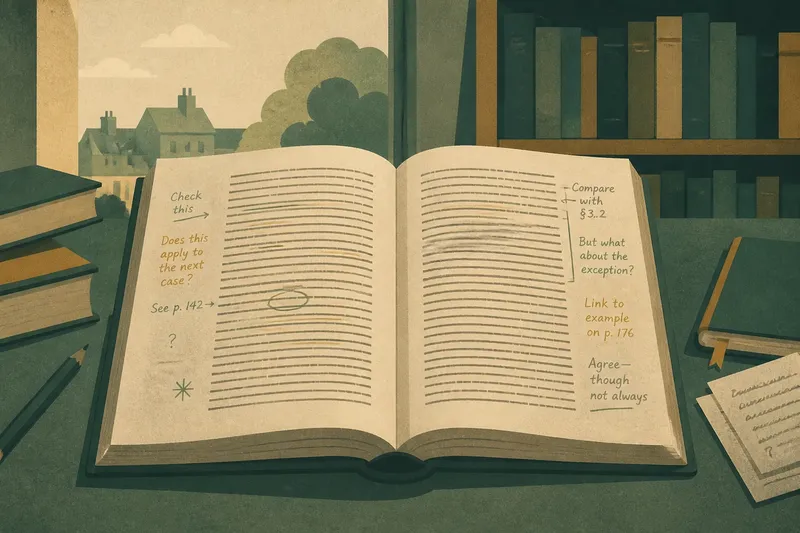
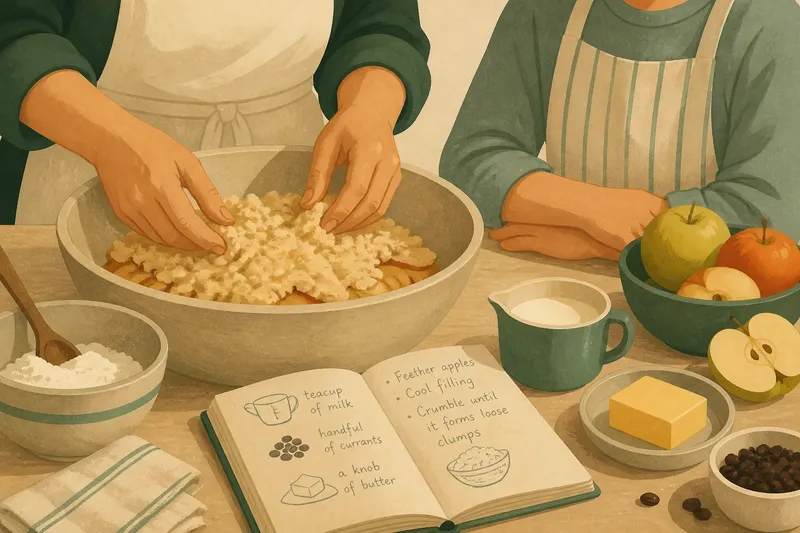
Start with the sources that are actually available: family letters, community programmes, photographs, objects, oral accounts and the memories of people who took part. Note what each source can and cannot show. A photograph may reveal clothing and arrangement, but not why people chose them; one person’s recollection may be vivid without representing every household.
When accounts differ, do not force them into a single seamless version. Record the disagreement and ask whether it concerns the custom’s purpose, the order of events or a detail that varied between families. A tradition can have more than one local form, and a shared name does not prove that every group practised it identically.
When change is called betrayal
People may describe a change as betrayal when they fear losing the meaning that made a custom valuable. That concern deserves attention, but a new form is not automatically a rejection of the past. The tension often comes from leaving the underlying value unstated while debating visible details.
Ask participants to name what they hope the practice will carry forward: hospitality, remembrance, welcome, restraint or some other value. Then consider whether the proposed change still serves that purpose, and who might be excluded by keeping the old form. The answer may be that a particular detail is essential; it may also be that the detail can change while the value remains legible.
It is not worth the effort to settle every variation by searching for a single original version. That search can consume attention without answering the practical question: what do people want to continue, and what are they willing to revise? A modest account of the choice is often more useful than a grand claim of authenticity.
When one version dominates
A published programme, museum display or prominent family account can make one version look definitive. This usually happens because a record preserves what was easiest to document, not necessarily everything people did. The result can be a tradition told from the perspective of those whose voices and materials survived.
Look for the edges of the account. Who is absent? Did the practice differ by household, region, age or role? Were some participants present only in ways the record did not describe? These questions do not require inventing missing history. They help show where an account is partial and keep a local version from being presented as universal.
If you are writing or speaking about the custom, name the scope clearly: “in our family”, “in this congregation” or “in the accounts we have”. Such phrases do not weaken a tradition. They tell readers what the claim rests on and leave room for other people to describe their own inheritance.
Questions about change?
Can a tradition change and remain the same?
It can remain recognisable while particular details shift, especially when participants continue to treat it as a shared practice. The most useful account identifies what carries that recognition rather than claiming that every feature has survived unchanged.
How can I tell whether a custom is old?
Look for more than a confident origin story: compare dated records, material traces and accounts from different participants where available. If the evidence begins only with a recent recollection or description, say so plainly rather than extending it further back than the sources allow.
Who decides what counts as authentic?
People who practise and inherit a custom have a direct stake in defining it, but their views may differ. Make those differences visible, and distinguish a community’s present choice from a claim that one version has always been the only legitimate one.
What should I say when accounts conflict?
Describe the versions and identify what each account supports. You can say that people remember or practise the custom differently without deciding that one group is mistaken or pretending the record is complete.
A more careful account
When describing a tradition, make three distinctions: what is repeated, what has altered and what people say the practice means. Keep evidence separate from interpretation, and attach broad claims to the people or records that support them. This gives others a way to understand both continuity and change.
The phrase “unchanged tradition” may still appear in family or community speech as an expression of affection, loyalty or belonging. It need not be challenged every time. When the phrase is being used to settle a dispute or exclude a newer participant, though, ask what exactly is said to be unchanged and whose account is being treated as final.
A useful description of the unchanged tradition is often a more modest one: the name or central purpose endured, while people adapted its form to their circumstances. That wording honours continuity without making change disappear. It also gives the next generation something better than a rule to copy: a clear sense of what the practice has carried, and room to decide how to carry it onward.